
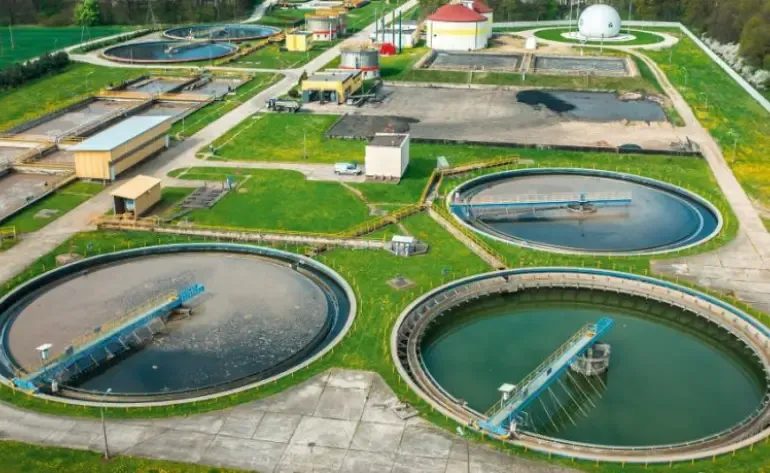
ETP vs STP: Difference Explained Simply
Two treatment plants, two very different kinds of wastewater. Here is how to tell them apart.
Quick Answer
In ETP vs STP, the key difference is the wastewater they treat. An STP (Sewage Treatment Plant) treats domestic sewage from homes and buildings, which is mostly organic and biodegradable. An ETP (Effluent Treatment Plant) treats industrial wastewater, which can contain chemicals, oils, heavy metals, dyes and high COD, so it usually needs chemical treatment as well as biological treatment.
On This Page
- ETP and STP Full Forms
- What Is an STP?
- What Is an ETP?
- ETP vs STP: Key Differences at a Glance
- ETP vs STP: Process Differences Explained
- ETP vs STP: Which One Does Your Project Need?
- Pumping in ETPs and STPs
- ETP Requirements by Industry
- What Is Zero Liquid Discharge?
- Cost Comparison: ETP vs STP
- Can ETP and STP Be Combined?
- Material Selection: Why It Matters More in an ETP
- ETP vs STP: Quick Decision Checklist
- Frequently Asked Questions
The terms ETP vs STP come up constantly in factory approvals, building projects and pollution control discussions, and they are often confused. Both are wastewater treatment plants and both use tanks, pumps and blowers, so they can look similar on site. But what goes into them, how they work and the rules they must meet are very different.
This article explains the difference between ETP and STP in simple terms, with a side-by-side comparison and guidance on which one your project needs.
ETP and STP Full Forms
- STP = Sewage Treatment Plant. Treats domestic wastewater from toilets, kitchens, bathrooms and laundries.
- ETP = Effluent Treatment Plant. Treats industrial wastewater, also called trade effluent, produced by manufacturing processes.
You will also hear about a CETP (Common Effluent Treatment Plant), a shared ETP that serves a cluster of small industries in an industrial estate. For a deeper look at how sewage treatment works, read our guide on STP plant full form and working.
What Is an STP?
An STP treats sewage that is mainly organic: human waste, food residue, soaps and detergents. Its composition is fairly predictable from one building to the next. Because the pollutants are biodegradable, an STP relies on biological treatment. Bacteria in an aerated tank consume the organic matter, the sludge is settled out, and the water is filtered and disinfected.
STPs are used in apartments, hotels, hospitals, schools, offices, townships and municipal systems. Industrial units also need an STP for the domestic sewage from their canteens and washrooms.
What Is an ETP?
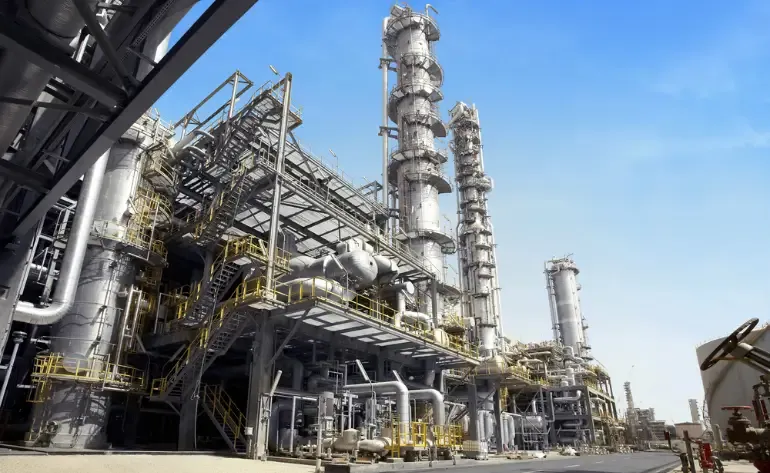
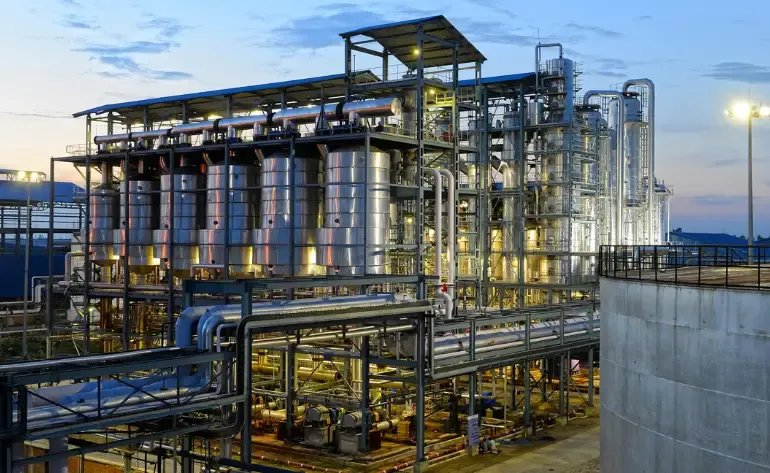
An ETP is designed around a specific industry’s effluent. Textile effluent carries dyes and high colour; pharmaceutical effluent may contain solvents and resistant organics; electroplating effluent contains heavy metals; dairy and food effluent is high in fats and biodegradable load; distillery spent wash is extremely strong. No two ETPs are exactly alike.
A typical ETP combines several stages:
- Collection and equalization to blend variable batches of effluent.
- Neutralisation by dosing acid or alkali to correct pH.
- Chemical treatment: coagulation and flocculation with alum, ferric or polymer, followed by settling or dissolved air flotation.
- Biological treatment where the effluent is biodegradable.
- Tertiary treatment: filtration, activated carbon, oxidation or membranes.
- Sludge handling, which may produce hazardous sludge needing authorised disposal.
- Zero Liquid Discharge (ZLD) using RO and evaporators, where mandated for certain industries.
ETP vs STP: Key Differences at a Glance
| Parameter | STP | ETP |
|---|---|---|
| Wastewater treated | Domestic sewage | Industrial effluent |
| Main pollutants | Organic matter, nutrients, pathogens | Chemicals, oils, metals, dyes, high COD, TDS |
| Composition | Fairly uniform | Varies by industry and by batch |
| Main process | Biological | Physico-chemical plus biological |
| Chemical use | Low (chlorine, polymer) | High (acid, alkali, coagulants, polymer) |
| Sludge | Biological, usually non-hazardous | Can be hazardous, needs authorised disposal |
| Design approach | Standardised designs work well | Custom, based on effluent testing |
| Typical cost per KLD | Lower | Higher, especially with ZLD |
An STP is built for what people flush. An ETP is built for what a factory produces, and that changes everything about its design.
ETP vs STP: Process Differences Explained
Biological vs Physico-Chemical
An STP can usually reach its outlet norms with biology alone, using technologies such as MBBR, SBR or MBR, compared in our STP technology guide. An ETP often must remove pollutants that bacteria cannot digest or that would kill them, so chemical stages come first.
Monitoring Parameters
STPs are judged mainly on BOD, TSS, pH and faecal coliform, as covered in our article on CPCB STP norms. ETPs are judged on industry-specific limits that can include COD, oil and grease, heavy metals, phenols, cyanide, colour and TDS.
Variability
Sewage flow varies through the day but its quality is steady. Industrial effluent can change dramatically between batches, shifts or product changes, so ETPs need larger equalization and more careful control.
ETP vs STP: Which One Does Your Project Need?
- Residential, commercial or institutional project: an STP.
- Factory with only domestic wastewater: an STP for washrooms and canteen.
- Factory with process wastewater: an ETP, and usually an STP as well for domestic sewage.
- Small unit in an industrial estate: pre-treatment on site and discharge to a CETP, if permitted.
Some facilities combine streams, but mixing domestic sewage with industrial effluent should only be done after a proper study. Toxic effluent can upset the bacteria that the sewage stream needs.
Pumping in ETPs and STPs
Both plants depend on pumps that can handle difficult media. In an STP, pumps move sewage, return sludge and dewatering feed. In an ETP, they also handle corrosive chemicals, oily sludge and abrasive slurries.
Sludge and Slurry Transfer
A progressive cavity pump moves thick, abrasive sludge gently, and the stator elastomer can be matched to chemical conditions.
Chemical Dosing
ETPs dose acid, alkali, coagulants and polymer continuously. Accurate dosing pumps control chemical cost and treatment quality.
Dewatered Cake
A wide throat pump handles non-flowable cake from filter presses and screw presses.
Ropman Engineering Corporation supplies pumps for STPs and ETPs across sugar, distillery, chemical, pharma, dairy, textile and municipal applications. Explore our wastewater, ETP and STP solutions or read more about industrial wastewater treatment. For STP pumping in detail, see our STP pump system guide.
ETP Requirements by Industry
The biggest practical difference in the ETP vs STP comparison is that every ETP is shaped by the industry it serves. This table shows how effluent character changes the treatment approach.
| Industry | Typical Effluent Character | Common ETP Stages |
|---|---|---|
| Textile and dyeing | High colour, COD, TDS, variable pH | Equalization, neutralisation, chemical treatment, biological, tertiary, often ZLD |
| Pharmaceutical | Solvents, resistant organics, variable batches | Segregation, stripping, chemical and biological treatment, advanced oxidation |
| Dairy and food | High BOD, fats, oils, milk solids | Oil and grease removal, DAF, anaerobic or aerobic biology |
| Sugar and distillery | Very high BOD/COD, spent wash | Anaerobic digestion, biomethanation, evaporation, composting |
| Electroplating | Heavy metals, cyanide, acids | Cyanide destruction, chromium reduction, metal precipitation |
| Paper and pulp | Fibres, lignin, colour, COD | Primary clarification, biological treatment, tertiary colour removal |
| Chemical and petrochemical | Oils, phenols, toxic organics | Oil separation, chemical treatment, biological, advanced oxidation |
An STP, by contrast, treats sewage that looks broadly similar wherever it comes from, which is why standardised and packaged designs work so well for domestic wastewater.
What Is Zero Liquid Discharge?
For some highly polluting industries, pollution control boards require Zero Liquid Discharge (ZLD). In a ZLD system, no treated effluent leaves the premises. After conventional ETP treatment, the water passes through reverse osmosis to recover most of it for reuse. The concentrated reject is then evaporated, and the remaining salts are dried and disposed of as solid waste.
ZLD is energy-intensive and expensive, but it protects water bodies and recovers water in water-scarce regions. It is rarely needed for an STP, although treated sewage is increasingly recovered through RO for industrial reuse.
Cost Comparison: ETP vs STP
Because an ETP handles stronger, more complex wastewater, it generally costs more to build and run per KLD than an STP of similar capacity.
STP Cost Drivers
- Capacity and technology
- Treated water reuse quality
- Civil work and site conditions
- Power for aeration
ETP Cost Drivers
- Effluent strength and variability
- Chemical consumption
- Hazardous sludge disposal
- RO and evaporators for ZLD
- Corrosion-resistant materials
For indicative budgets for sewage treatment, see our sewage treatment plant cost guide. ETP costs are best estimated only after a proper effluent characterisation study.
Can ETP and STP Be Combined?
In some factories, treated domestic sewage is mixed with industrial effluent, or both streams are treated in one plant. This can work when the industrial effluent is biodegradable, such as in food or dairy units, because the sewage adds nutrients that help the bacteria.
It is risky when the effluent contains toxic chemicals, heavy metals or extreme pH, which can kill the bacteria the sewage stream relies on. Any combined design should be based on testing, approved by the pollution control board and backed by good equalization and pre-treatment of the industrial stream.
Material Selection: Why It Matters More in an ETP
Sewage is mildly corrosive, mainly due to hydrogen sulphide in covered tanks. Industrial effluent can be far more aggressive. Acids, alkalis, solvents, chlorides and high temperatures attack ordinary steel, concrete and rubber.
- Tanks: ETPs often need epoxy-lined concrete, FRP, rubber-lined MS or stainless steel tanks.
- Pumps: wetted parts may need SS 316, special alloys or plastics, and stator elastomers chosen for chemical resistance.
- Piping: HDPE, PP, CPVC or lined steel pipes depending on the chemical.
- Dosing systems: pump heads, valves and tubing compatible with each chemical.
When asking for a pump for an ETP duty, always share the full effluent analysis, pH range, temperature and any solvents present. In a progressive cavity pump, the right stator elastomer, such as nitrile, EPDM or Viton, makes the difference between months and years of life.
ETP vs STP: Quick Decision Checklist
Answer these to decide what you need:
- Does your site generate any wastewater from a manufacturing process? If yes, you need an ETP.
- Does it have washrooms, canteens or residences? If yes, you need an STP.
- Is your unit in an industrial estate with a CETP? You may only need pre-treatment.
- Does your consent require Zero Liquid Discharge? Plan RO and evaporation.
- Is treated water going to be reused? Plan tertiary treatment.
Start with a lab analysis. In the ETP vs STP decision, the wastewater itself tells you which plant you need.
Frequently Asked Questions
What is the main difference between ETP and STP?
What is the full form of ETP and STP?
Does a factory need both ETP and STP?
What is a CETP?
Is ETP more expensive than STP?
What is Zero Liquid Discharge in an ETP?
Can domestic sewage be treated in an ETP?
Which pumps are used in an ETP?
Need Pumps for an ETP or STP?
From sludge transfer to chemical dosing and dewatered cake, Ropman builds pumps for every stage of industrial and sewage treatment. Share your media and duty for a recommendation.
Request a Quote