Why Biogas Transfer Pumps Are Important for Modern Biogas Industry Operations
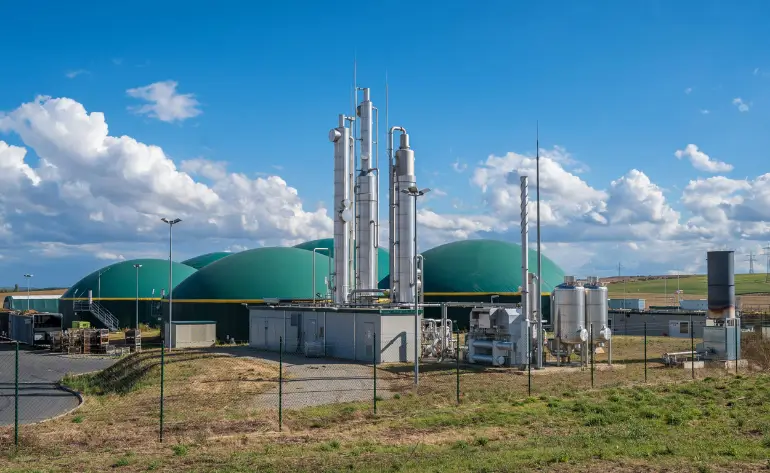
The Biogas Industry is becoming one of the most important sectors for sustainable energy production. By converting organic waste into renewable energy, biogas plants help industries reduce environmental impact while generating efficient and eco-friendly fuel sources.
However, efficient biogas production depends heavily on reliable fluid handling systems. Organic slurry, sludge, fermented waste, and solid-laden materials are difficult to transfer using conventional pumping systems. This is where a high-performance Biogas Transfer Pump becomes essential for smooth and uninterrupted industrial operations.
Understanding the Role of a Biogas Transfer Pump
A Biogas Transfer Pump is specially engineered to handle the movement of organic waste, slurry, sludge, and fermented materials commonly used in biogas plants and waste-to-energy facilities. These pumps are designed to provide continuous and efficient material transfer throughout the biogas production process.
Unlike conventional pumps, biogas pumps are built to handle abrasive, viscous, and solid-containing materials without clogging or excessive wear. They ensure stable flow performance while maintaining operational efficiency in demanding industrial environments.
Why Efficient Pumping Matters in the Biogas Industry
Biogas production involves the handling of highly challenging materials that can create operational problems if the pumping system is not properly designed. Materials such as organic slurry, sewage sludge, agricultural waste, and food waste often contain abrasive particles and varying densities.
Without the right pumping solution, industries may face:
- Frequent blockages
- Unstable material flow
- Increased maintenance costs
- Equipment wear and failure
- Operational downtime
- Reduced processing efficiency
An advanced Biogas Transfer Pump helps eliminate these problems by ensuring smooth and reliable fluid movement throughout the production cycle.
Types of Pumps Used in Biogas Applications
Different pumping technologies are used depending on the application and material characteristics. Common industrial pumping systems used in the Biogas Industry include:
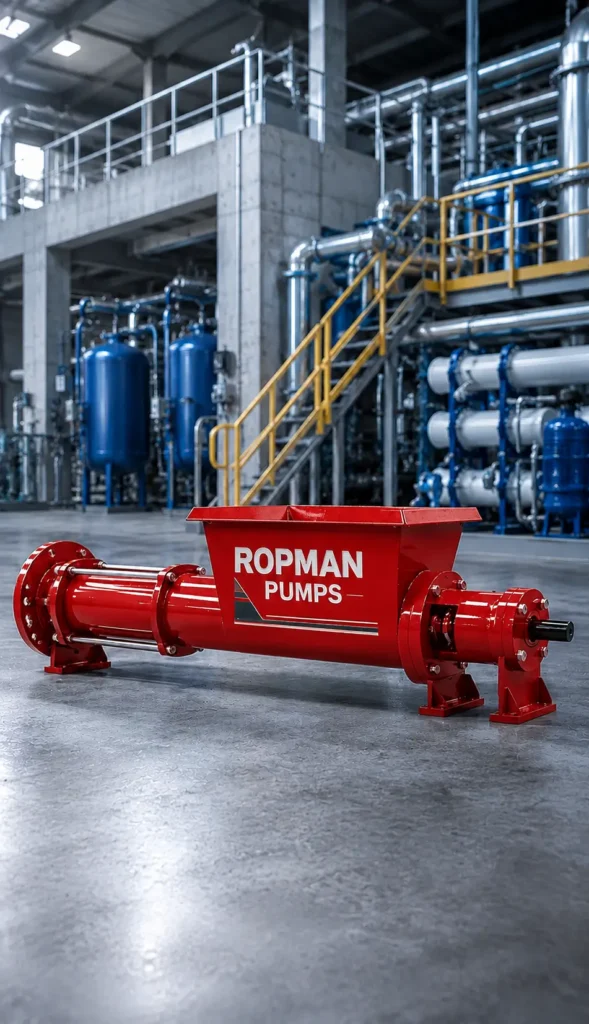
Progressive Cavity Pumps
Ideal for handling viscous slurry, sludge, and abrasive media with smooth and controlled flow.
Positive Displacement Pumps
Designed for accurate and continuous transfer of thick and solid-laden materials.
Rotary Lobe Pumps
Suitable for handling sensitive and semi-solid fluids with low pulsation and efficient operation.
Dosing Pumps
Used for controlled chemical dosing and fluid management processes in biogas plants.
Key Features of Biogas Transfer Pumps
Modern Biogas Transfer Pumps are engineered with advanced features to ensure reliable industrial performance. These include:
Corrosion Resistance
Biogas contains corrosive gases such as hydrogen sulphide (H₂S), making corrosion-resistant materials essential for long service life.
Efficient Slurry Handling
Designed to transfer high-viscosity and abrasive materials smoothly without clogging.
Leak-Proof Operation
Advanced sealing systems help prevent leakage and maintain operational safety.
Stable Flow Performance
Maintains consistent flow and pressure during continuous industrial operations.
Low Maintenance Requirements
Durable construction helps reduce wear, downtime, and maintenance expenses.
Applications of Biogas Transfer Pumps
Biogas Transfer Pumps are widely used across different industrial and environmental applications, including:
- Biogas plants
- Waste-to-energy facilities
- Wastewater treatment plants
- Agricultural biogas systems
- Food waste processing plants
- Organic waste handling systems
- Sludge transfer applications
- Fermentation and digestion processes
These applications require dependable pumping systems capable of operating efficiently under harsh industrial conditions.
Choosing the Right Biogas Transfer Pump
Selecting the correct pumping system is important for ensuring efficient and reliable plant operations. Industries should consider factors such as:
- Material viscosity
- Slurry composition
- Flow rate requirements
- Pressure conditions
- Corrosion resistance
- Energy efficiency
- Maintenance requirements
A properly designed pumping solution helps improve productivity while reducing operational costs and downtime.
The Importance of Maintenance and Safety
Regular maintenance is essential for achieving long-term performance and operational reliability in the Biogas Industry. Industries should:
- Inspect pumps regularly
- Monitor seals and moving components
- Ensure proper lubrication
- Check for leakage and wear
- Follow safety procedures during operation
Proper maintenance improves efficiency and extends the service life of industrial pumping systems.
Reliable Biogas Pumping Solutions by Ropman Pumps
Ropman Pumps provides advanced industrial pumping solutions specially designed for Biogas Industry applications. Our pumps are engineered to handle organic slurry, sludge, waste materials, and highly viscous media with smooth and dependable performance.
Manufactured using premium-quality materials and advanced engineering technology, Ropman Pumps delivers efficient, durable, and low-maintenance pumping systems for modern industrial operations.
Our pumping solutions help industries improve operational efficiency, reduce downtime, and maintain smooth processing performance across challenging biogas applications.
Conclusion
Efficient fluid handling is one of the most important factors in successful biogas production. Without reliable pumping systems, industries can face serious operational challenges that impact productivity and efficiency.
A high-performance Biogas Transfer Pump helps ensure smooth material transfer, stable operations, and long-term industrial reliability.
With advanced engineering, durable construction, and dependable industrial performance, Ropman Pumps continues to provide trusted pumping solutions for modern Biogas Industry operations and renewable energy applications.